All Services
get in touch today!
Location:
Timings:
Head and neck cancers
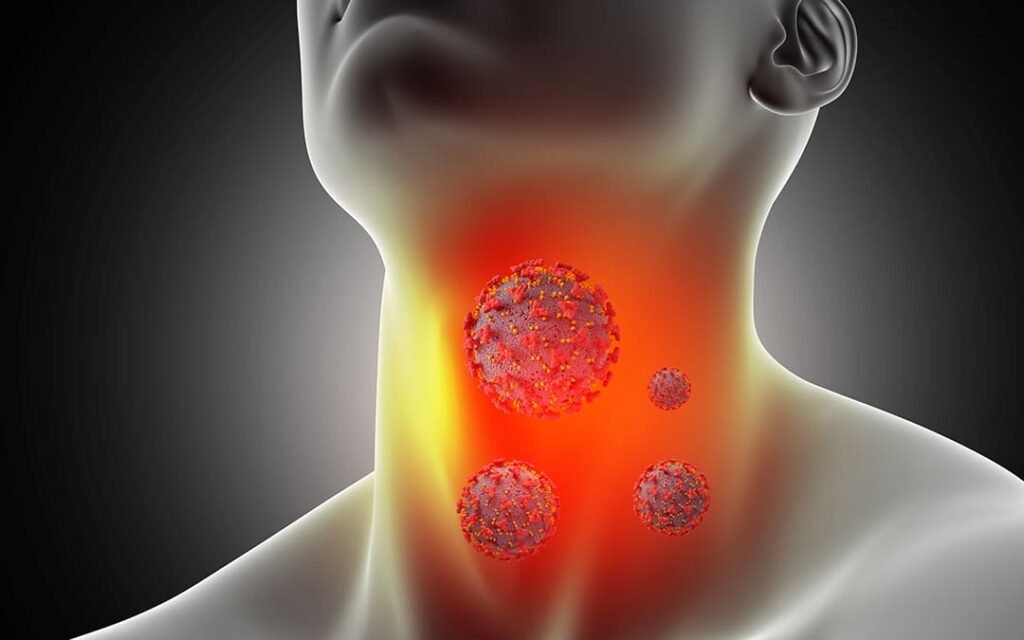
Head and neck cancers are a group of cancers that develop in the mouth, throat, voice box (larynx), tongue, salivary glands, nasal cavity, sinuses, and other structures of the head and neck region. Early diagnosis and specialized treatment are essential for achieving the best outcomes while preserving vital functions such as speech, swallowing, breathing, and appearance.
Dr. G. V. Nagarjuna Reddy is a highly experienced Head & Neck Surgical Oncologist specializing in the comprehensive diagnosis, surgical management, and multidisciplinary treatment of head and neck cancers. His approach focuses on precision surgery, functional preservation, and improved quality of life for every patient.
What Are Head and Neck Cancers?
Head and neck cancers occur when abnormal cells grow uncontrollably within the tissues of the head and neck region. Most of these cancers originate from the lining of the mouth, throat, and upper airway structures.
Early detection significantly improves treatment success and can reduce the need for extensive procedures.
Common Types of Head and Neck Cancers
- Oral Cancer (Mouth Cancer)
- Tongue Cancer
- Throat Cancer
- Laryngeal (Voice Box) Cancer
- Nasal and Sinus Cancers
- Salivary Gland Cancer
- Thyroid Cancer
- Oropharyngeal Cancer
- Hypopharyngeal Cancer
- Neck Metastatic Cancers
Risk Factors
Several factors can increase the risk of developing head and neck cancers.
Common Risk Factors Include
- Tobacco smoking
- Chewing tobacco
- Excessive alcohol consumption
- Human Papillomavirus (HPV) infection
- Poor oral hygiene
- Prolonged exposure to harmful chemicals
- Family history of cancer
- Chronic irritation of oral tissues
Understanding and addressing these risk factors can help with prevention and early intervention.
Symptoms of Head and Neck Cancer
The symptoms vary depending on the location and stage of the disease.
Warning Signs Include
- Persistent mouth ulcers
- Difficulty swallowing
- Hoarseness or voice changes
- Lump or swelling in the neck
- Persistent sore throat
- Ear pain
- Unexplained weight loss
- Difficulty breathing
- Non-healing oral lesions
- Bleeding from the mouth or nose
Any symptom that persists for more than two weeks should be evaluated by a specialist.
Diagnosis
Accurate diagnosis is the foundation of effective cancer treatment.
Diagnostic Procedures May Include
- Comprehensive Head & Neck Examination
- Endoscopic Evaluation
- Biopsy
- Fine Needle Aspiration Cytology (FNAC)
- Ultrasound Scan
- CT Scan
- MRI Scan
- PET-CT Scan
- Histopathological Analysis
These investigations help determine the type, stage, and extent of cancer to create an individualized treatment plan.
Treatment Options
Treatment is customized based on the cancer type, stage, location, and overall health of the patient.
Surgical Oncology
Surgery remains one of the most effective treatments for many head and neck cancers. The goal is complete tumor removal while preserving critical functions and appearance whenever possible.
Minimally Invasive & Function-Preserving Surgery
Advanced surgical techniques are used to reduce tissue damage, minimize recovery time, and maintain speech and swallowing functions.
Reconstructive Surgery
For patients requiring extensive tumor removal, reconstructive procedures help restore appearance and functionality.
Multidisciplinary Cancer Care
Comprehensive treatment may involve collaboration with:
- Medical Oncologists
- Radiation Oncologists
- Speech and Swallow Therapists
- Nutrition Specialists
- Rehabilitation Experts
This integrated approach ensures optimal cancer care and long-term recovery.
Importance of Early Detection
Early diagnosis significantly improves treatment outcomes and survival rates. Many head and neck cancers can be successfully treated when identified at an early stage.
Regular screenings, prompt evaluation of symptoms, and awareness of risk factors play a crucial role in early intervention.
Why Choose Dr. G. V. Nagarjuna Reddy?
Dr. G. V. Nagarjuna Reddy combines advanced surgical expertise with a patient-centered approach to provide comprehensive head and neck cancer care. With specialized training in Head & Neck Surgical Oncology and extensive experience in complex cancer surgeries, he focuses on delivering personalized treatment plans and the best possible outcomes.