
All Services
get in touch today!
Location:
Timings:
Benign Head and Neck Tumors
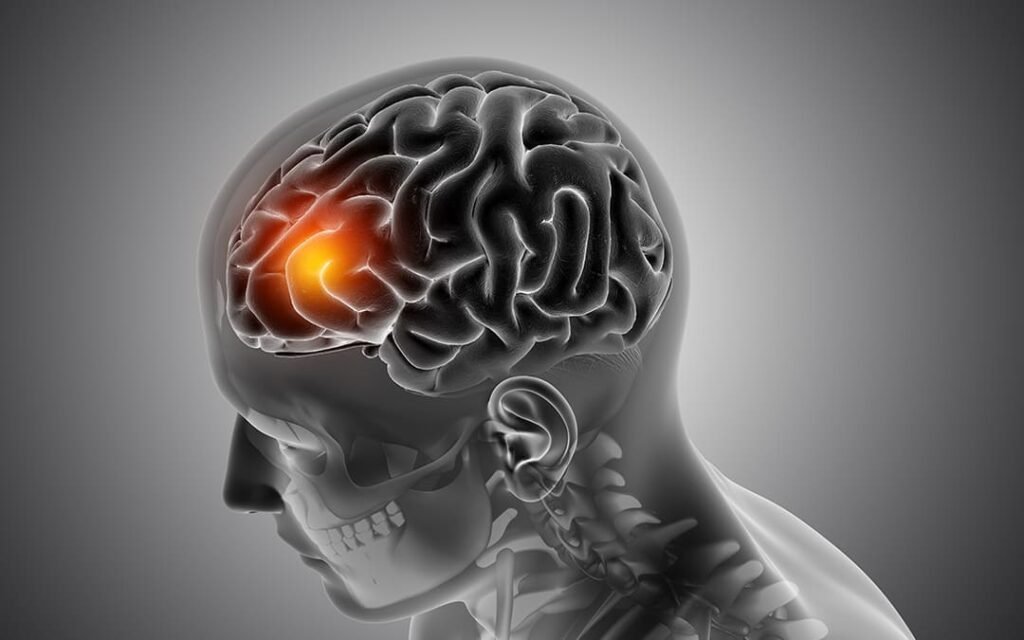
Benign head and neck tumors are non-cancerous growths that can develop in various structures of the head and neck region, including the salivary glands, thyroid gland, skin, soft tissues, nerves, and lymphatic tissues. Although these tumors are not cancerous and generally do not spread to other parts of the body, they can continue to grow and cause discomfort, cosmetic concerns, swallowing difficulties, voice changes, or pressure on surrounding structures if left untreated.
Dr. G. V. Nagarjuna Reddy specializes in the evaluation, diagnosis, and surgical management of benign head and neck tumors using advanced, minimally invasive, and function-preserving techniques to ensure optimal outcomes and faster recovery.
Key Highlights
What Are Benign Head and Neck Tumors?
Benign tumors are abnormal tissue growths that do not possess malignant characteristics or metastatic potential. However, depending on their size and location, they may affect nearby organs, nerves, blood vessels, or airways and require medical or surgical intervention.
Common Types of Benign Head and Neck Tumors
- Salivary gland tumors
- Lipomas (fatty tumors)
- Thyroglossal duct cysts
- Branchial cleft cysts
- Benign thyroid nodules
- Parotid gland tumors
- Neurogenic tumors
- Benign soft tissue masses
- Vascular malformations and hemangiomas
Symptoms of Benign Head and Neck Tumors
Patients may experience:
- Painless swelling in the neck or face
- Lump in the jaw, cheek, or throat
- Difficulty swallowing
- Voice changes or hoarseness
- Facial asymmetry
- Sensation of pressure in the neck
- Breathing discomfort in larger tumors
- Cosmetic concerns due to visible swelling
Many benign tumors grow slowly and may remain unnoticed for years before symptoms develop.
Diagnosis
Accurate diagnosis is essential to differentiate benign tumors from malignant conditions and determine the most appropriate treatment approach.
Diagnostic Evaluation May Include
- Comprehensive ENT and Head & Neck examination
- Ultrasound Scan
- CT Scan
- MRI Scan
- Fine Needle Aspiration Cytology (FNAC)
- Endoscopic examination when required
- Histopathological evaluation after surgery
Treatment Options
Treatment depends on the size, location, symptoms, and type of tumor.
Observation & Monitoring
Small, asymptomatic tumors may be monitored through regular clinical examinations and imaging studies.
Surgical Removal
Surgery is often recommended for tumors that:
- Continue to grow
- Cause functional impairment
- Affect appearance
- Have an uncertain diagnosis
- Carry a risk of future complications
Minimally Invasive Procedures
Whenever possible, minimally invasive and tissue-preserving techniques are utilized to reduce recovery time, minimize scarring, and optimize cosmetic outcomes.
Why Early Evaluation Is Important
Even though benign tumors are non-cancerous, some lesions may mimic malignant growths or cause significant functional problems over time. Early assessment allows timely intervention, accurate diagnosis, and prevention of complications.
Dr. G. V. Nagarjuna Reddy focuses on personalized treatment plans that prioritize disease management while preserving speech, swallowing, breathing, and overall quality of life.
Why Choose Dr. G. V. Nagarjuna Reddy?
Dr. Nagarjuna Reddy combines specialized expertise in Head & Neck Surgery, ENT disorders, and Surgical Oncology with a patient-centric approach. His goal is to deliver effective treatment while ensuring optimal functional and cosmetic outcomes through advanced surgical techniques and evidence-based care.