All Services
get in touch today!
Location:
Timings:
Paranasal Sinus Tumors
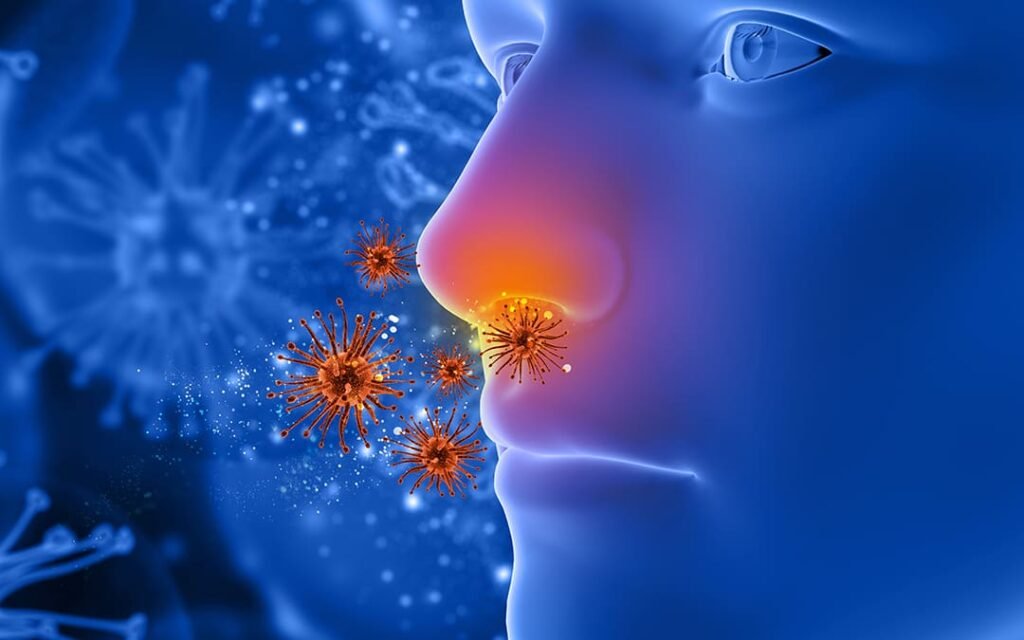
Paranasal sinus tumors are abnormal growths that develop within the air-filled spaces surrounding the nasal cavity, known as the paranasal sinuses. These tumors may be benign (non-cancerous) or malignant (cancerous) and can affect breathing, vision, facial appearance, and overall quality of life. Because the symptoms often resemble common sinus conditions, early diagnosis is crucial for effective treatment and improved outcomes.
Dr. G. V. Nagarjuna Reddy specializes in the diagnosis and management of paranasal sinus tumors using advanced surgical techniques, including minimally invasive endoscopic procedures and comprehensive head and neck cancer care.
What Are Paranasal Sinus Tumors?
The paranasal sinuses are hollow cavities located within the bones surrounding the nose. Tumors can arise from the lining of these sinuses and may vary in size, behavior, and severity.
Common Sinuses Affected
- Maxillary Sinus
- Ethmoid Sinus
- Frontal Sinus
- Sphenoid Sinus
Types of Paranasal Sinus Tumors
Benign Tumors
- Inverted Papilloma
- Osteoma
- Fibrous Dysplasia
- Hemangioma
- Mucoceles
Malignant Tumors
- Squamous Cell Carcinoma
- Adenocarcinoma
- Sinonasal Undifferentiated Carcinoma
- Adenoid Cystic Carcinoma
- Esthesioneuroblastoma
- Mucosal Melanoma
Both benign and malignant tumors require specialist evaluation to determine the most appropriate treatment approach.
Symptoms of Paranasal Sinus Tumors
In the early stages, symptoms may be mistaken for chronic sinusitis or allergies. Persistent or worsening symptoms should never be ignored.
Common Symptoms Include
- Persistent nasal blockage
- Frequent nosebleeds
- Facial pain or pressure
- Chronic sinus infections
- Reduced sense of smell
- Facial swelling
- Headaches
- Double vision or visual disturbances
- Numbness of the face
- Unexplained swelling around the eyes
Symptoms that persist despite medical treatment should be evaluated by a Head & Neck Specialist.
Risk Factors
Several factors may increase the risk of developing sinus tumors.
Common Risk Factors
- Tobacco use
- Exposure to wood dust
- Industrial chemical exposure
- Occupational exposure to leather dust
- Chronic sinus inflammation
- Previous radiation exposure
- Certain viral infections
Early screening and timely consultation can aid in early diagnosis and treatment.
Diagnosis
Accurate diagnosis is essential to identify the tumor type, location, and extent of involvement.
Diagnostic Evaluation May Include
- Comprehensive ENT Examination
- Nasal Endoscopy
- CT Scan of Nose and Sinuses
- MRI Scan
- Biopsy
- PET-CT Scan when required
- Histopathological Analysis
These investigations help create a precise and personalized treatment plan.
Treatment Options
Treatment depends on the type, size, location, and stage of the tumor.
Endoscopic Sinus Surgery
Many tumors can be removed using advanced endoscopic techniques through the nose without external incisions. This approach often results in faster recovery and reduced postoperative discomfort.
Open Surgical Procedures
Complex or advanced tumors may require open surgical approaches to achieve complete removal and optimal outcomes.
Head & Neck Cancer Surgery
For malignant tumors, specialized cancer surgery may be required to remove the tumor while preserving critical structures whenever possible.
Multidisciplinary Treatment
Depending on the diagnosis, treatment may involve:
- Surgical Oncology
- Radiation Therapy
- Medical Oncology
- Reconstructive Surgery
- Rehabilitation Services
A multidisciplinary approach ensures comprehensive care and long-term management.
Importance of Early Detection
Paranasal sinus tumors can remain undetected for extended periods because their symptoms often resemble common sinus disorders. Early diagnosis allows for less extensive treatment, improved disease control, and better preservation of surrounding structures such as the eyes, brain, and facial tissues.
Prompt specialist evaluation is essential whenever symptoms persist or worsen over time.
Why Choose Dr. G. V. Nagarjuna Reddy?
Dr. G. V. Nagarjuna Reddy offers specialized expertise in ENT, Head & Neck Surgery, and Surgical Oncology, providing advanced diagnosis and treatment for complex sinus and skull base tumors. His focus on precision surgery, minimally invasive techniques, and patient-centered care helps ensure optimal outcomes and faster recovery.