All Services
get in touch today!
Location:
Timings:
Swallowing Rehabilitation
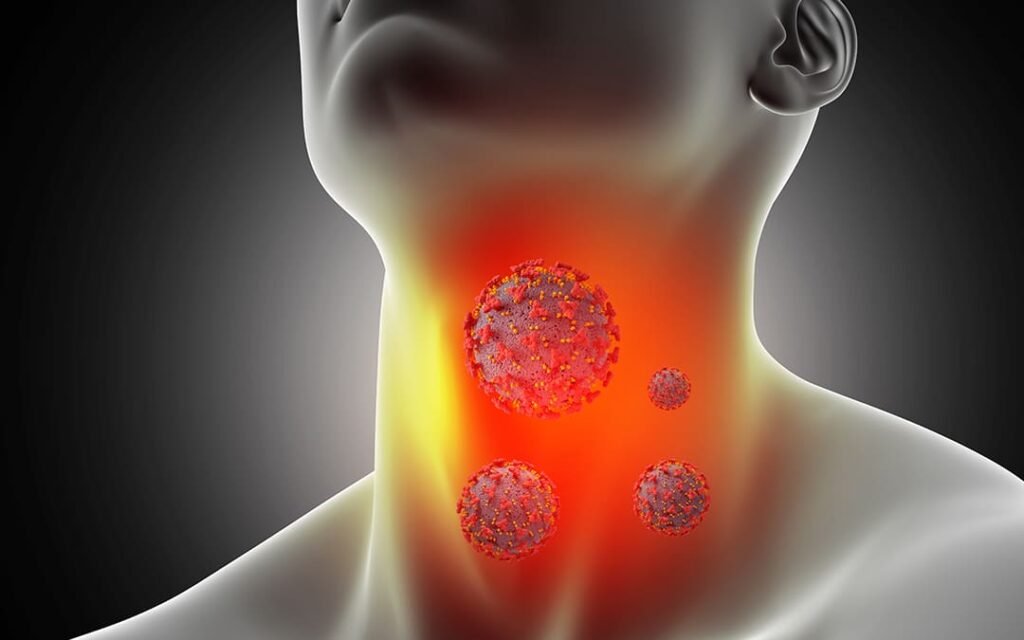
Swallowing rehabilitation is a specialized treatment program designed to help individuals who experience difficulty swallowing, medically known as dysphagia. Swallowing disorders can occur due to head and neck cancers, neurological conditions, surgeries, radiation therapy, stroke, trauma, or age-related changes. Effective rehabilitation plays a crucial role in restoring safe swallowing, improving nutrition, preventing complications, and enhancing quality of life.
Dr. G. V. Nagarjuna Reddy provides comprehensive swallowing rehabilitation services for patients recovering from head and neck conditions, cancer treatments, and complex surgical procedures, with a focus on functional recovery and long-term well-being.
What Is Swallowing Rehabilitation?
Swallowing rehabilitation involves a combination of assessment, therapy, exercises, dietary modifications, and specialized interventions aimed at improving swallowing function.
The primary goals of rehabilitation are to:
- Restore safe swallowing ability
- Prevent choking and aspiration
- Improve nutrition and hydration
- Enhance speech and swallowing coordination
- Improve overall quality of life
Each rehabilitation plan is customized based on the patient’s underlying condition and functional needs.
Common Causes of Swallowing Disorders
Swallowing difficulties can result from various medical conditions affecting the mouth, throat, nerves, or muscles involved in swallowing.
Conditions That May Require Swallowing Rehabilitation
- Head and Neck Cancer
- Oral Cancer Surgery
- Throat Cancer Treatment
- Laryngeal Cancer
- Stroke
- Neurological Disorders
- Parkinson’s Disease
- Radiation-Induced Swallowing Dysfunction
- Vocal Cord Disorders
- Airway and Neck Surgeries
- Age-Related Swallowing Changes
Early intervention often leads to better recovery and improved outcomes.
Symptoms of Dysphagia
Patients experiencing swallowing difficulties may notice symptoms that affect eating, drinking, and daily activities.
Common Symptoms Include
- Difficulty swallowing food or liquids
- Choking while eating or drinking
- Coughing during meals
- Sensation of food getting stuck in the throat
- Recurrent chest infections
- Unexplained weight loss
- Pain while swallowing
- Excessive throat clearing
- Changes in voice after swallowing
- Difficulty managing saliva
Persistent swallowing problems should be evaluated promptly to prevent complications.
Assessment and Evaluation
A detailed swallowing assessment helps identify the cause and severity of dysphagia.
Diagnostic Evaluation May Include
- Comprehensive Clinical Examination
- Swallowing Assessment
- Flexible Endoscopic Evaluation of Swallowing (FEES)
- Video Fluoroscopic Swallow Study (VFSS)
- Speech and Swallow Evaluation
- Nutritional Assessment
- Head & Neck Examination
Accurate assessment forms the foundation for a successful rehabilitation program.
Swallowing Rehabilitation Techniques
Treatment plans are tailored according to the patient’s diagnosis, symptoms, and functional goals.
Therapeutic Swallowing Exercises
Specific exercises help strengthen the muscles involved in swallowing and improve coordination.
Dietary Modifications
Adjustments to food texture and liquid consistency may be recommended to improve safety and reduce the risk of aspiration.
Postural and Swallowing Techniques
Patients are trained in specialized swallowing maneuvers and positioning techniques to enhance swallowing efficiency.
Speech and Swallow Therapy
Integrated therapy programs help improve both swallowing and communication functions when affected.
Post-Cancer Rehabilitation
Patients recovering from head and neck cancer treatments often benefit from structured rehabilitation programs aimed at restoring swallowing function and improving nutrition.
Benefits of Swallowing Rehabilitation
A comprehensive rehabilitation program can significantly improve daily functioning and overall health.
Key Benefits Include
- Improved swallowing safety
- Reduced risk of aspiration pneumonia
- Better nutrition and hydration
- Enhanced speech and swallowing coordination
- Faster recovery after surgery or cancer treatment
- Improved confidence during meals
- Better quality of life
Importance of Early Rehabilitation
Untreated swallowing disorders can lead to malnutrition, dehydration, recurrent respiratory infections, and reduced quality of life. Early diagnosis and intervention can improve recovery outcomes and help patients regain independence more quickly.
A multidisciplinary approach often provides the most effective path to recovery.
Why Choose Dr. G. V. Nagarjuna Reddy?
Dr. G. V. Nagarjuna Reddy offers specialized expertise in Head & Neck Surgery, Surgical Oncology, and functional rehabilitation. His patient-centered approach focuses not only on treating the underlying condition but also on restoring essential functions such as swallowing, speech, and overall well-being.